Native Plants Make Landscaping Easier for Kerrville, TX Homeowners
Native plants in Kerrville, TX are species naturally adapted to the Hill Country climate, meaning they grow well with minimal water, fertilizer, and ongoing maintenance once established.
What Makes a Plant Truly Native to the Texas Hill Country?
A native plant is one that grew in a region before European settlement, having evolved over thousands of years alongside local soils, rainfall patterns, insects, and wildlife. In the Texas Hill Country around Kerrville, native species are those adapted to rocky limestone soils, hot dry summers, periodic drought, and mild winters with occasional hard freezes.
These plants have root systems, water storage strategies, and growth habits specifically suited to those conditions. A Texas mountain laurel does not need to be coaxed through a dry summer because it has been handling those conditions for centuries. The same is true for plants like Blackfoot daisy, Mexican feathergrass, Turk's cap, and cenizo, all of which are right at home in Hill Country landscapes.
The distinction matters because many plants sold at general garden centers are not native to Central or West Texas. They may look appropriate, but they often require more supplemental irrigation and maintenance than a plant that is actually suited to the local environment.
Can Native Plants Really Create a Beautiful Landscape?
Yes, and many landscape designers in the Hill Country argue they create more dynamic and interesting yards than traditional turf-and-shrub approaches. Native plants vary widely in color, texture, height, and bloom time, which allows for layered plantings that change through the seasons rather than looking the same year-round.
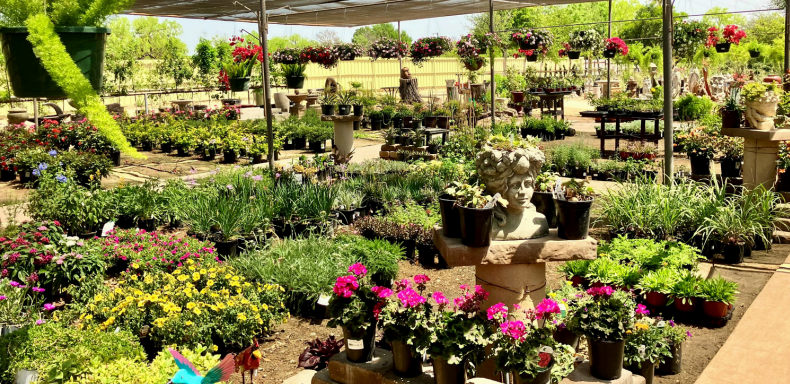
Spring in Kerrville brings wildflowers and early bloomers. Summer features heat-tolerant perennials in orange, yellow, and deep purple. Fall adds the muted tones of grasses and late-season blooms. Even in winter, the structure of native shrubs and ornamental grasses provides visual interest in a yard that otherwise might look bare. You can browse our native plants selection to explore what is available and well-suited for Hill Country landscapes.
Using native plants also means your yard becomes part of the local ecosystem. You attract native pollinators, birds, and beneficial insects that help your garden thrive naturally. Many homeowners find this aspect of native plantings rewarding in a way that a purely ornamental landscape cannot match.
What Are the Best Native Plants for a Kerrville Yard?
The Hill Country offers a wide range of native species for different parts of your landscape. For large beds and backgrounds, Texas sage, agarita, and evergreen sumac provide structure and year-round coverage. For midrange plantings, Autumn sage, Salvia greggii, and Mexican bush sage deliver long bloom seasons with almost no attention once they are established.
Low-growing groundcovers like Gregg's mistflower and prairie verbena work well along walkways and borders, filling in quickly and suppressing weeds naturally. Ornamental grasses such as Gulf muhly and little bluestem add movement and texture and turn a burnished copper color in fall that no imported species can replicate. Pair a native plant selection with a complete yard plan by reviewing our landscape design services to see how native species are integrated into larger projects.
For trees, the Texas live oak is one of the most practical and beautiful choices in the region. It provides dense shade, handles drought, and supports more wildlife species than almost any other native tree. Desert willow and Texas persimmon offer smaller tree options with distinctive flowering and fruit features that add character to a yard without demanding extra care.
How Kerrville's Spring Wildflower Season Shapes Local Landscape Demand
Kerrville and the surrounding Hill Country experience one of the most celebrated wildflower seasons in Texas each spring, drawing visitors from across the state and creating strong seasonal interest in native and naturalistic landscapes. For homeowners in the area, this annual cycle shapes when landscaping projects are planned and which plants are in demand.
The months leading up to spring, particularly late fall through winter, are an ideal time to plant native perennials and grasses. These plants establish root systems over the cooler months and emerge ready to bloom as temperatures rise. Installing in fall means you take full advantage of the natural rain cycle and avoid the heat stress that summer planting brings.
Spring also tends to bring higher foot traffic to local nurseries and a surge in landscaping inquiries from homeowners inspired by the seasonal color they see across the region. Planning your native landscaping project a season ahead gives you access to the best plant selection and allows your new plants to settle in before the busy warm-weather season begins.
Native plants give your Kerrville yard beauty that fits the land and resilience that holds up through every season without demanding your attention.
Experience the difference a native plant landscape makes by working with Farmer's Daughter Landscape on your next outdoor project.